

Introduction to Ceiling Lights
Ceiling lights are fundamental to any home’s lighting plan. They serve as the primary source of illumination in most rooms, providing general lighting that brightens up the space. But beyond just light, ceiling fixtures play a huge role in the design and ambiance of a room. Choosing the right ceiling light is crucial for achieving the desired aesthetic and functionality. With so many options available, it’s important to explore all types and understand their uses.
What Are Ceiling Lights?
Ceiling lights are fixtures mounted on the ceiling to provide general, task, or accent lighting to a room. These lights come in many forms, such as flush mount lights, chandelier lights, pendant lights, and recessed lighting. They are the primary source of light for most rooms and can vary greatly in size, design, and light output. Ceiling lights not only serve a functional purpose but also enhance the style and mood of a room.
Importance of Choosing the Right Ceiling Light
Choosing the right ceiling light goes beyond picking a beautiful fixture. It’s about ensuring the light fits the room’s size, function, and style. The wrong lighting can make a room feel too dim or too bright, uncomfortable, or even uninviting. Additionally, proper lighting can highlight key areas, such as dining tables or workspaces, and create the desired ambiance. Whether you want cozy, elegant, or modern ceiling lights, the right ceiling light can help achieve the perfect atmosphere.

Image credit: THG Electrical & Data
Common Types of Ceiling Lights
When it comes to ceiling lights, the variety is vast. Each type serves a unique purpose, from providing general lighting to accentuating specific features of a room. Choosing the right ceiling light not only enhances the aesthetics of your space but also improves functionality. Whether you’re seeking subtle illumination or a statement piece, understanding the different types of ceiling lights is essential. Let’s explore the most common options and how they can be used to transform your home.
Flush Mount Ceiling Lights
Flush mount lights sit directly against the ceiling, making them ideal for rooms with low ceilings. They offer a sleek and minimalist design, perfect for spaces where decorative elements aren’t the focus. Typically used in bedrooms, hallways, and kitchens, flush mount lights provide ample lighting without overwhelming the space. Their simplicity makes them a versatile choice for both traditional and contemporary homes.

See this product: Oddveig Minimalist Design Scandinavian Ceiling Light
Semi-Flush Mount Ceiling Lights
Semi-flush mount lights hang slightly below the ceiling, offering a blend between flush mount and pendant lights. This design allows for more intricate detailing and a touch of decoration while still conserving ceiling space. Semi-flush lights are excellent for rooms with moderate ceiling heights and work well in living rooms, dining rooms, and bedrooms. Their slightly elevated look adds a touch of elegance without being overly ornate.
Pendant Lights: Stylish and Functional
Pendant lights are more than just decorative pieces; they are functional lighting solutions that offer both task and ambient light. Hanging from the ceiling, they add a stylish touch to any room, making them popular for kitchens, dining areas, and even bedrooms. Available in various designs, materials, and sizes, pendant lights can fit seamlessly into any décor style. Their versatility makes them an excellent choice for spaces where both aesthetics and functionality are essential.

See this product: Kariyen Nordic Slim Loop Pendant Light
Overview of Pendant Lights
Pendant lights hang from the ceiling by a rod or chain, often becoming a focal point in the room. They are versatile fixtures that provide both task and general lighting, depending on their design and placement. Pendants are available in various shapes, sizes, and materials, allowing them to fit any décor style. From kitchens to living rooms, pendant lights add style and sophistication while serving a practical purpose.
Types of Pendant Lights
There are several types of pendant lights, each serving different functions. Mini pendants are small and perfect for accent lighting or for use in multiples over a kitchen island. Multi-light pendants combine several lights into one fixture, providing more illumination while still looking sleek. Drum pendants, with their large fabric-covered shades, offer soft, diffused light, making them ideal for dining rooms or lounges. Each type brings its own charm and functionality to a space.
Ideal Rooms for Pendant Lights
Pendant lights work well in various spaces, adding character and functionality. In kitchens, they provide excellent task lighting over islands or countertops. In dining rooms, pendant lights serve as a stylish centerpiece above tables, casting warm, focused light. Bedrooms can also benefit from bedside pendant lights, offering an elegant alternative to traditional table lamps. The versatility of pendant lights makes them suitable for almost any room in your home.
Chandeliers: Adding Grandeur to Your Space
Chandeliers have long been associated with luxury and elegance. These grand lighting fixtures are perfect for adding a touch of sophistication to any room, whether it’s a formal dining room or a spacious foyer. Beyond their decorative appeal, chandeliers provide ample light, often becoming the focal point of the space. With modern designs now available, chandeliers can suit a variety of styles, from traditional to contemporary, making them a versatile lighting option.

See this product: Hendrika Luxury Elegant Glossy Crystal Chandelier Light
What Are Chandeliers?
Chandeliers are grand, decorative ceiling lights that often feature multiple bulbs or arms. They are known for their elaborate designs and are typically used as statement pieces in a room. Traditionally associated with formal spaces like dining rooms and foyers, modern chandelier lights now come in various styles, from minimalist to rustic. A chandelier can instantly elevate the elegance of any space, adding a sense of grandeur and sophistication.
Types of Chandeliers
Chandeliers come in many designs to suit different aesthetics. Traditional chandeliers often feature intricate detailing with crystal embellishments and multiple arms. Modern chandeliers are sleeker and more streamlined, often featuring clean lines and minimal ornamentation. Rustic chandeliers, on the other hand, use natural materials like wood and metal, perfect for a farmhouse or industrial style. No matter the design, chandeliers can transform a room into something truly special.
Best Rooms for Chandeliers
Chandeliers are typically found in formal spaces like dining rooms, where they create a dramatic focal point over the table. They are also a popular choice for entryways or foyers, where they set the tone for the rest of the home. In larger living rooms or master bedrooms, a chandelier can add a touch of luxury. With the right style, a chandelier can fit into almost any room, bringing elegance and sophistication.
Recessed Lighting: Minimalist and Modern
For those who prefer a clean, unobtrusive look, recessed lighting is the perfect solution. These fixtures are installed directly into the ceiling, providing subtle and even illumination. Ideal for modern homes or minimalist spaces, recessed lighting offers both general and task lighting without the need for visible fixtures. Its sleek design makes it a great option for rooms where you want the focus to be on the architecture or décor rather than the lighting itself.
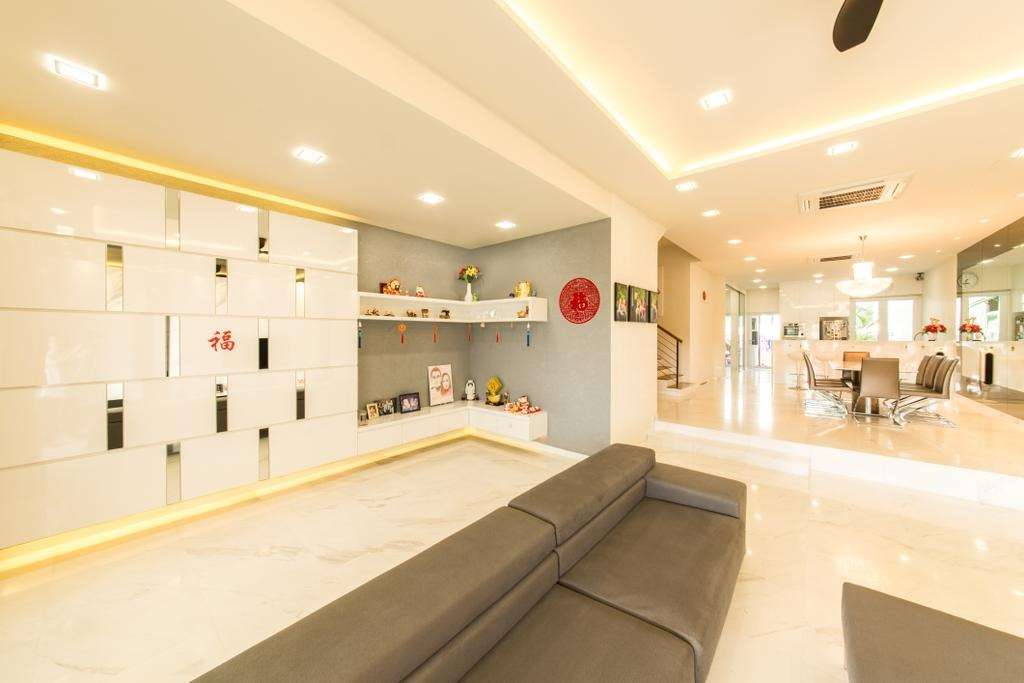
Image credit: Qanvast / Corazon Interior
Overview of Recessed Lighting
Recessed lighting, also known as downlighting, is installed directly into the ceiling, offering a clean, unobtrusive look. These lights are ideal for modern, minimalist spaces where the focus is on the architecture or décor rather than the lighting fixtures. Recessed lighting is versatile, providing general, task, or accent lighting depending on placement and number. Their sleek, simple design makes them perfect for modern ceiling lights that value subtlety and functionality.
Types of Recessed Lighting
There are two main types of recessed lighting: ambient recessed lights, which provide general lighting for a room, and accent recessed lights, which are used to highlight specific features, such as artwork or architectural details. You can also find task recessed lights, which provide focused light in areas like kitchens or home offices. With the right combination, recessed lighting can create a beautifully layered lighting scheme.
Where to Use Recessed Lighting
Recessed lighting works well in almost any room, from kitchens and bathrooms to living rooms and hallways. In kitchens, they provide bright task lighting over counters and workspaces. In living rooms, recessed lighting can create a soft glow or highlight key areas like a fireplace or artwork. Their flexibility makes recessed lighting a practical choice for both residential and commercial spaces.
Track Lighting: Flexible and Focused
Track lighting is a highly adaptable option for spaces that require focused or directional lighting. With adjustable fixtures mounted on a track, you can direct light to specific areas, making it perfect for kitchens, art studios, or any space where flexibility is key. Track lighting comes in various styles, from minimalist designs to more industrial looks, making it a practical yet stylish choice. Its functionality makes it an excellent option for both residential and commercial spaces.

See this product: Gronar Vintage Gold Track Lights
Introduction to Track Lighting
Track lighting consists of multiple lights mounted on a track, allowing you to direct light wherever it’s needed. It’s a highly flexible lighting solution, perfect for spaces where focused light is required. Track lighting is often used in kitchens, offices, or art studios, where adjustable lighting is beneficial. It’s also ideal for modern homes that value both style and functionality in lighting.
Types of Track Lighting
Track lighting comes in a few different styles. Standard track lighting features lights fixed to a straight track, providing adjustable direction but a fixed layout. Monorail track lighting offers more flexibility, with a curved or customizable track that can be arranged in various shapes. Cable track lighting suspends the lights from a wire, creating a modern, industrial look. Each type offers different design possibilities while maintaining flexibility in light direction.
Perfect Spaces for Track Lighting
Track lighting is ideal for spaces where focused, adjustable lighting is needed. In kitchens, it provides excellent task lighting over countertops and islands. In home offices or studios, track lights allow you to highlight specific work areas or projects. They are also popular in art galleries or retail spaces, where they can be used to illuminate products or artwork. The ability to direct light exactly where it’s needed makes track lighting a versatile option.
LED Ceiling Lights: Energy-Efficient and Modern
LED ceiling lights are becoming increasingly popular due to their energy efficiency and long lifespan. These modern fixtures provide bright, clean light while using significantly less energy compared to traditional bulbs. LED ceiling lights are available in various styles and can be used for both general and accent lighting. They are perfect for homeowners looking to reduce energy costs without sacrificing style or brightness. Whether you’re aiming for a sleek, modern look or something more traditional, LED lighting offers a sustainable solution.
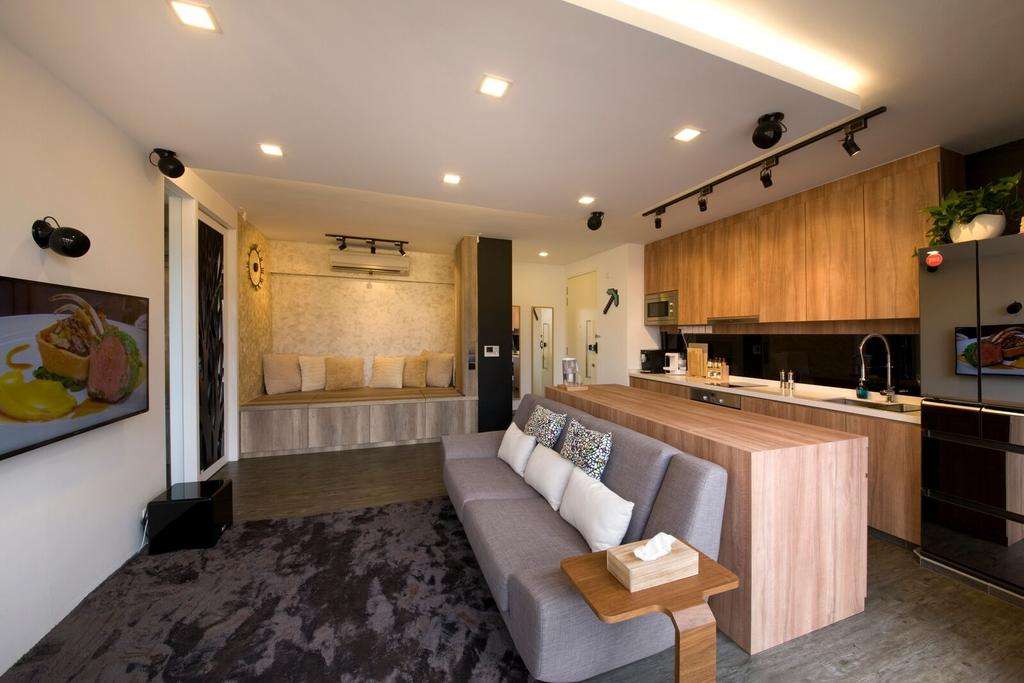
Image credit: Qanvast / D5 Studio Image
What Are LED Ceiling Lights?
LED ceiling lights use light-emitting diodes (LEDs) to produce light, offering energy efficiency and long life. Unlike traditional incandescent or fluorescent bulbs, LEDs consume significantly less energy and can last for years without needing replacement. LED technology has advanced in recent years, making these lights more affordable and versatile. With various styles, shapes, and brightness levels, LED ceiling lights are a modern, eco-friendly choice for any home.
Benefits of LED Ceiling Lights
LED ceiling lights have numerous benefits beyond energy efficiency. They generate less heat, making them safer and cooler to touch. They also offer a wide range of color temperatures, allowing you to choose warm or cool lighting depending on the ambiance you want to create. Moreover, LED bulbs have a much longer lifespan compared to traditional bulbs, reducing the need for frequent replacements and maintenance. Their eco-friendliness and cost savings make LED ceiling lights a top choice for homeowners.
Cove Lighting: Subtle and Elegant
Cove lighting is a type of indirect lighting that creates a soft, ambient glow by being installed in recesses or ledges along the ceiling. This type of lighting is perfect for creating a relaxed and sophisticated atmosphere in living rooms, bedrooms, or dining areas. Cove lighting is subtle, allowing the architecture or décor of the room to shine, while still providing sufficient illumination. It’s an elegant way to add depth and dimension to a space without overpowering it.
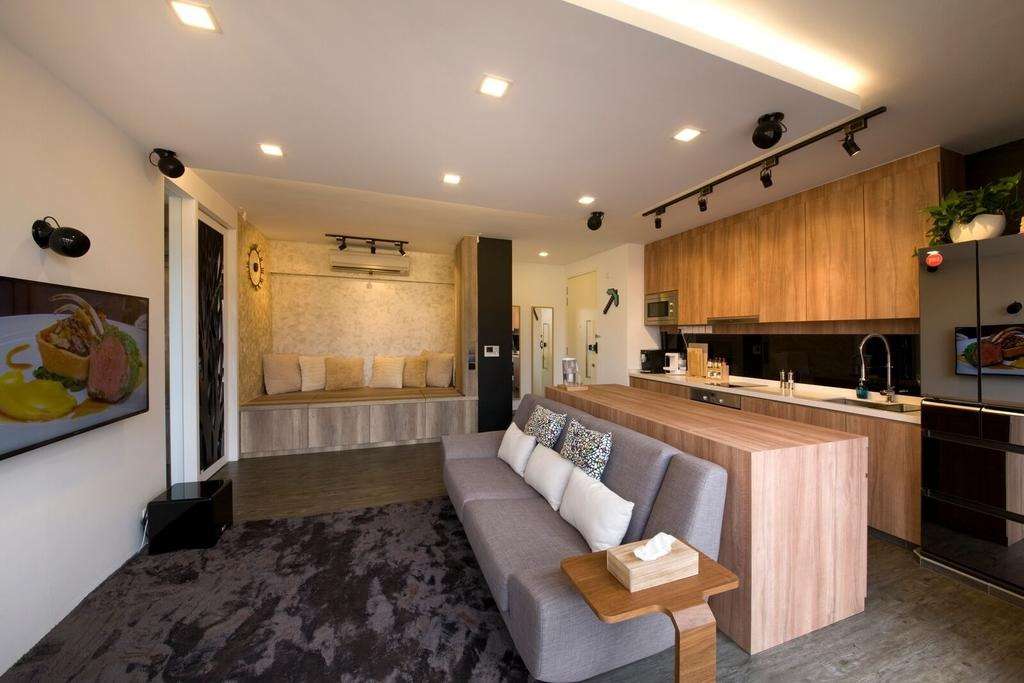
Image credit: Qanvast / D5 Studio Image
What Is Cove Lighting?
Cove lighting is a type of indirect lighting that is installed into recesses or ledges in the ceiling. It directs light upwards, creating a soft, diffused glow that gently illuminates the room without harsh direct light. Cove lighting is often used for decorative purposes, enhancing the architecture or creating a relaxed ambiance in a room. Its subtlety makes it an elegant choice for modern homes looking for understated sophistication.
Uses and Benefits of Cove Lighting
Cove lighting is primarily used for ambient or accent lighting, adding depth and dimension to a room. It’s perfect for spaces like living rooms, bedrooms, or dining areas, where you want to create a calm and relaxing atmosphere. Cove lighting can also highlight architectural features, such as crown moldings or tray ceilings, adding a touch of luxury to the space. The indirect nature of cove lighting reduces glare and creates a more comfortable environment.
Maintenance and Care of Ceiling Lights
To keep your ceiling lights looking and functioning their best, regular maintenance is essential. Over time, dust and grime can accumulate on fixtures, reducing their brightness and appeal. Cleaning the fixtures and bulbs regularly not only enhances their appearance but also extends their lifespan. In addition to cleaning, ensuring proper installation and checking for any wiring issues can help prevent potential safety hazards. Taking care of your ceiling lights ensures they continue to illuminate your space beautifully and efficiently.
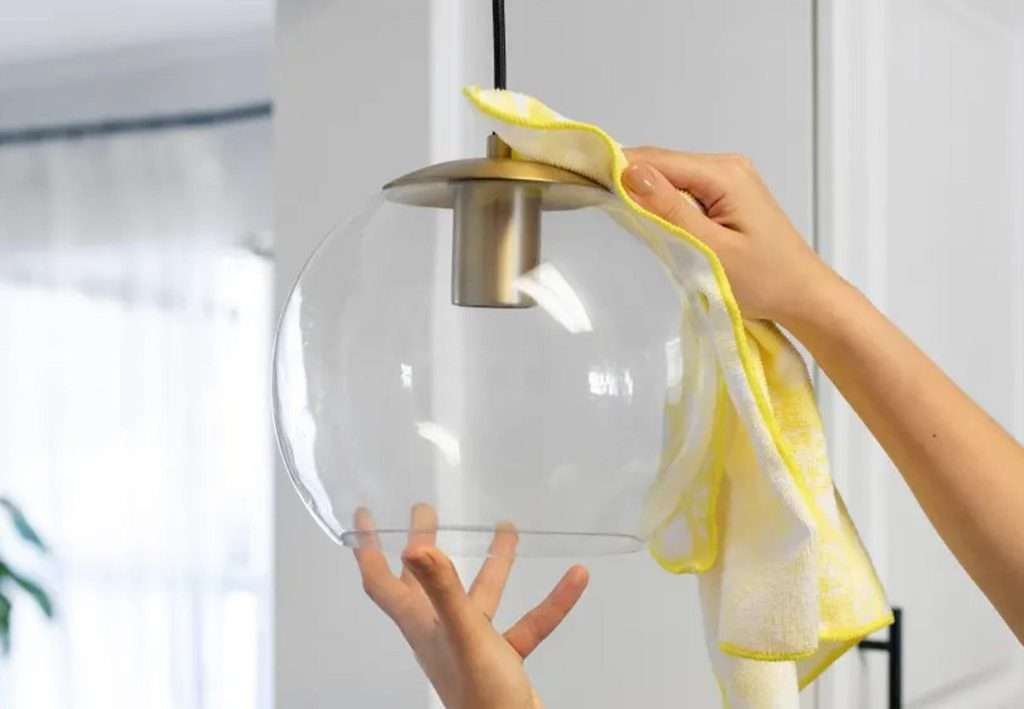
Image credit: Ankur Lighting
Cleaning Tips for Ceiling Lights
Ceiling lights can accumulate dust and grime over time, so regular cleaning is essential to keep them shining bright. Use a damp cloth to wipe down the fixtures, and for hard-to-reach areas, use a long-handled duster. For more intricate fixtures like chandelier lights, consider taking them down for a more thorough clean. Regular maintenance will ensure your ceiling lights look their best and provide the optimal light output.
How to Prolong the Life of Your Lighting
The longevity of your ceiling lights depends on how well you maintain them. Use energy-efficient bulbs like LED ceiling lights to reduce the strain on the fixture and extend the life of your lights. Regularly clean the fixtures to prevent dust buildup, and check for any loose wiring or fittings. Proper installation and avoiding overloading circuits will also help to prevent electrical issues, prolonging the life of your lighting system.
Energy Efficiency in Ceiling Lighting
Why Energy Efficiency Matters
Energy efficiency is crucial not just for lowering your electricity bill, but also for reducing your carbon footprint. Ceiling lights, especially those used frequently in living rooms or kitchens, can consume a significant amount of energy over time. Switching to energy-efficient lighting options, such as LED ceiling lights, can result in substantial cost savings. Additionally, energy-efficient lights are more environmentally friendly, using less power and producing less waste.
Best Energy-Efficient Ceiling Lights
When shopping for energy-efficient ceiling lights, look for LED ceiling lights or ENERGY STAR-rated products. These lights use significantly less energy compared to traditional incandescent bulbs, while still providing ample illumination. Smart lighting systems that allow you to control the brightness and timing of your lights can further enhance energy efficiency. Dimmable ceiling lights can also save energy by allowing you to adjust the light output based on your needs. By investing in eco-friendly lighting options, you not only save money but also contribute to a greener planet.
Conclusion
Ceiling lights play a vital role in shaping the atmosphere and functionality of a room. From grand chandelier lights to sleek recessed lighting, the options are vast. By understanding the various types of ceiling lights and their ideal uses, you can make an informed decision that enhances both the style and practicality of your space. With the right choice of lighting, whether it’s modern ceiling lights or vintage ceiling lights, your home will not only look beautiful but also feel warm, welcoming, and functional.
Ready to elevate your space? Visit Light Vault today to explore our extensive selection of ceiling lights. Whether you’re searching for a stunning chandelier or energy-efficient LED options, we have something to brighten every room. Don’t wait—transform your home with the perfect lighting solutions from Light Vault!
FAQs
- How often should I replace ceiling lights?
Replace ceiling lights when the bulbs burn out or if the fixture becomes damaged. LED ceiling lights typically last much longer, sometimes up to 20 years, reducing the need for frequent replacements. - Can I install ceiling lights myself?
Simple installations, like installing flush mount lights or semi-flush lights, can be DIY, but for complex or heavy fixtures, such as chandelier lights, professional installation is recommended. Incorrect installation could pose safety risks, especially when dealing with electrical wiring. - What is the best ceiling light for a small room?
Flush mount or recessed lighting are ideal for small rooms as they save space and provide ample lighting. These types of fixtures create the illusion of more space, perfect for compact areas like bathrooms or hallways. - Do LED ceiling lights save money?
Yes, LED ceiling lights are energy-efficient and have a longer lifespan, which reduces replacement costs. Although they may have a higher upfront cost, the long-term savings in energy bills make LEDs a smart investment. - How can I integrate smart lighting into my home?
Smart ceiling lights, including dimmable ceiling lights, can be easily integrated by replacing existing fixtures with smart bulbs and connecting them to your home’s Wi-Fi. Once installed, you can control the lights using a smartphone app, voice commands, or a smart home system.

